
The Global Buyer's Guide to Sourcing Export-Ready Indian Food Brands
A strategic procurement guide for international buyers, importers, and retail procurement teams sourcing packaged foods and beverages from India.
Table of Contents (28 sections)↓
- At a Glance
- 1. The Global Buyer Sourcing Challenge
- 2. Defining Export-Ready Indian Food Brands
- Domestic Capability vs Export Readiness
- The Four Pillars of Export Readiness
- 3. Supplier Evaluation Framework
- Production & Quality Systems Verification
- Commercial & Financial Reliability
- 4. Supplier Red Flags & Risk Mitigation
- 5. Export Documentation & Regulatory Compliance
- 6. The 6-Step Procurement Workflow
- Frequently Asked Questions
- How do I verify if an Indian food manufacturer holds a valid FSSAI export license?
- What is the difference between sourcing from a direct manufacturer and a merchant exporter in India?
- Which quality certifications are mandatory for importing packaged foods into Western markets?
- How can buyers verify factory production capacity before issuing a purchase order?
- What are the common pitfalls when negotiating payment terms with Indian food suppliers?
- Is third-party pre-shipment inspection recommended for food shipments from India?
- How do Indian food manufacturers handle private label (OEM) packaging customization?
- What documentation is required to ensure customs clearance at the destination port?
- How long does the sample evaluation and compliance verification process typically take?
- What red flags indicate that a supplier may fail to meet delivery timelines?
- How do currency exchange rate fluctuations impact long-term supply contracts?
- How does Taraka verify supplier credibility and export readiness?
- Sources & References
- Regulatory & Trade Authorities
- Quality & Standards Organizations
- Global Procurement & Legal Resources
A Structured Procurement Framework for Importers, Distributors, and Retail Buyers

Figure 1.0: Sourcing Export-Ready Indian Food Brands
At a Glance
| Sourcing Objective | Description |
|---|---|
| Supplier Discovery | Government councils, trade shows, B2B marketplaces, merchant exporters, direct outreach |
| Export Readiness | Evaluation based on export history, market knowledge, and documentation |
| Risk Mitigation | Identification of red flags during evaluation (e.g., unclear ownership, missing documents) |
| Audit Framework | Taraka Buyer's Evaluation Framework (Export Capability, Experience, Compliance, Reliability, Risk Assessment, Transparency) |
| Documentation Compliance | FSSAI, APEDA, Product Specifications, Certificates of Analysis, Food Safety Certifications |
The Global Buyer Sourcing Challenge
Sourcing food products internationally has become more accessible over the past decade. Online marketplaces, virtual trade events, industry directories, and digital communication have made it possible to connect with suppliers across the world in a matter of hours.
At the same time, the number of available suppliers has increased significantly. Buyers are often presented with hundreds of potential manufacturers, exporters, and merchant exporters offering similar products at different price points.
This abundance of choice creates a different challenge. The question is no longer "Where can I find suppliers?" It is "Which supplier is the right long-term business partner?"
Professional procurement teams rarely base decisions on product catalogues alone. They evaluate operational capability, export experience, quality systems, documentation, responsiveness, production capacity, and commercial fit before considering price negotiations.

Figure 2.0: The standard sourcing journey for international procurement teams.
Defining Export-Ready Indian Food Brands
Finding a supplier is relatively easy. Determining whether that supplier is capable of supporting international business is considerably more complex.
An export-ready brand is not simply a manufacturer that is willing to ship overseas. It is a business with the operational systems, documentation, and commercial maturity needed to serve international customers consistently.
Domestic Capability vs Export Readiness
Many Indian food brands produce excellent products for the domestic market, but exporting requires additional capabilities. International buyers expect suppliers to comply with food safety regulations, maintain consistent product quality, provide accurate documentation, communicate professionally, and deliver reliably over time.
The Four Pillars of Export Readiness
Experienced buyers evaluate suppliers across several areas before progressing to pricing or negotiations. These areas include regulatory compliance, manufacturing capability, quality management, and export documentation processes.
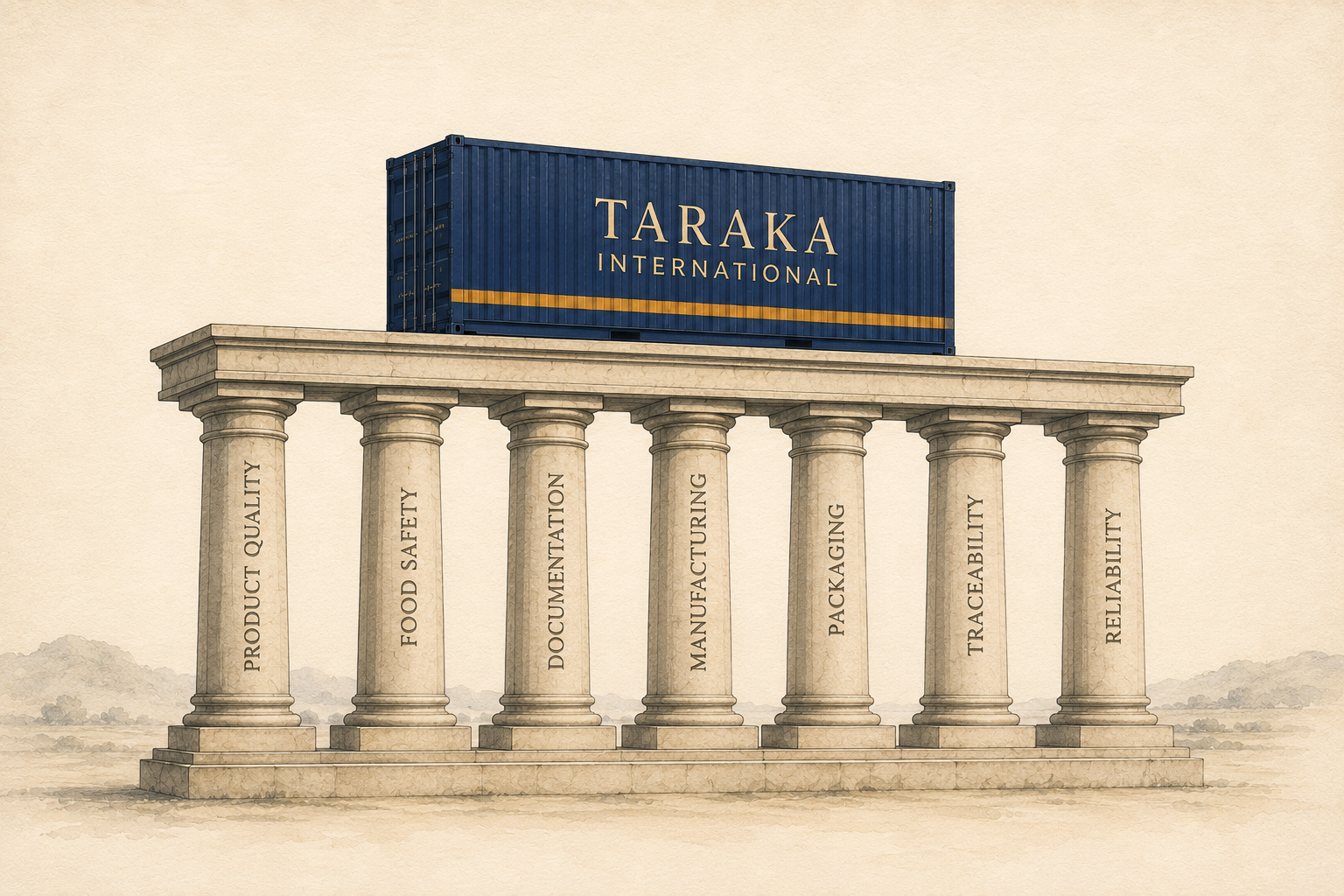
Figure 3.0: The core pillars determining a brand's export readiness.
Supplier Evaluation Framework
Every procurement team follows its own internal sourcing process, but the underlying questions remain remarkably consistent. To simplify supplier evaluation, we present the Taraka Buyer's Evaluation Framework.
Production & Quality Systems Verification
Strong products require equally strong operations. A supplier may produce an excellent sample while struggling to maintain consistency across larger commercial orders. Buyers evaluate production capacity, lead times, inventory planning, packaging consistency, quality control, and order fulfilment capability.
Commercial & Financial Reliability
Exporting is a process built on experience. A supplier with a proven track record has usually encountered challenges involving customs, documentation, logistics, and regulatory compliance, and developed systems to manage them. Commercial reliability involves clear pricing structures, defined minimum order quantities, and realistic payment terms.

Figure 4.0: The EXPORT evaluation framework for assessing suppliers.
| Manufacturer Type | Best For | Considerations |
|---|---|---|
| Direct Factory | Large volumes, product customisation, lowest unit cost | Requires buyer to manage export logistics and communication directly |
| Merchant Exporter | Consolidated shipments, sourcing multiple categories | Acts as a single point of contact but adds a margin |
| Contract Manufacturer | Private label development, proprietary formulations | Requires strict IP protection and clear quality agreements |
Supplier Red Flags & Risk Mitigation
Most sourcing challenges do not arise because buyers selected the wrong product. They arise because warning signs were overlooked during the supplier evaluation process.
Experienced procurement teams pay close attention to patterns that may indicate operational, commercial, or compliance risks.
Key warning signs include: * Unwillingness to share basic company or product information. * Inconsistent answers to technical or commercial questions. * Unclear ownership of manufacturing facilities. * Missing or outdated documentation. * Unrealistically low pricing compared with similar suppliers. * Promises of extremely short production or delivery timelines without supporting evidence. * Limited understanding of destination market requirements.

Figure 5.0: Common red flags during the supplier screening process.
Export Documentation & Regulatory Compliance
Food products entering international markets must comply with destination market regulations as well as buyer-specific requirements. Before any food item can legally leave Indian ports, the manufacturer or merchant must secure baseline registrations.
Essential certifications include: IEC (Importer Exporter Code):* A mandatory lifetime business identification issued by the Directorate General of Foreign Trade (DGFT). FSSAI Central License:* An explicit export-category license from the Food Safety and Standards Authority of India confirming the goods meet standard hygiene and quality benchmarks. APEDA Registration:* Registration with the Agricultural and Processed Food Products Export Development Authority (APEDA) for scheduled or processed foods. Quality Certifications:* ISO 22000, HACCP, or destination-specific registrations like US FDA facility registration when applicable. EIC Inspection Certificate:* A Certificate of Export Inspection from the Export Inspection Council, frequently mandated for specific categories.

Figure 6.0: Critical export documentation required for global compliance.
The 6-Step Procurement Workflow
Professional buyers follow structured decisions designed to reduce commercial, operational, and regulatory risk: