India vs Vietnam vs China: Where Should Importers Source in 2026?
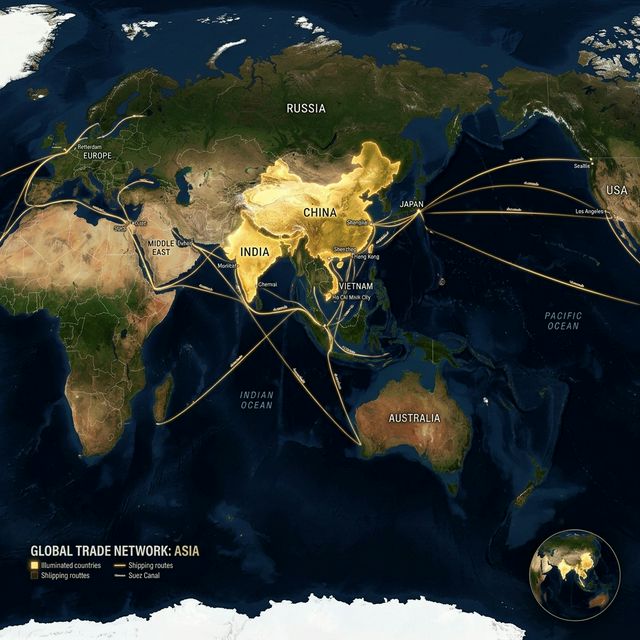
If you are a global importer evaluating your sourcing strategy for 2026, you are likely comparing three countries: India, Vietnam, and China. Each has real strengths. Each has real limitations. The right answer depends on what you are buying, where you are selling, and how you prioritize cost, speed, risk, and scalability.
This article provides a structured comparison framework to help you make that decision. No marketing fluff, just the factors that matter for procurement professionals.
The Big Picture: Why This Comparison Matters Now
The global sourcing landscape is more fragmented than at any point in the last 30 years. Buyers are no longer asking "where is the cheapest source?" They are asking "where is the most resilient, compliant, and competitive source for this specific product category?"
Three forces are driving this shift:
- Tariff and trade policy uncertainty. US-China tariff tensions, EU carbon border mechanisms, and evolving free trade agreements make single-country sourcing increasingly risky.
- Supply chain resilience mandates. After COVID, the Suez Canal blockage, and Red Sea shipping disruptions, boards and investors expect multi-source strategies.
- Regulatory complexity. ESG reporting requirements, supply chain due diligence laws, and product safety regulations vary by source country.
Country-by-Country Comparison
China: The Scale Champion
Strengths:
- Unmatched manufacturing scale and speed
- Deep supplier ecosystems across virtually every product category
- Advanced automation and tooling capabilities
- Established export logistics infrastructure (ports, freight networks, trade finance)
Weaknesses:
- Rising labour costs, especially in coastal manufacturing zones
- Elevated tariff risk for US-bound goods (Section 301 tariffs remain in place)
- Increasing geopolitical uncertainty
- ESG compliance concerns growing among European buyers
- Intellectual property risks for proprietary product designs
Best for: High-volume, complex manufactured goods where tooling and automation matter. Electronics, machinery, precision components, and large-scale consumer goods.
Vietnam: The Fast Riser
Strengths:
- Competitive labour costs (still 30 to 40% lower than China's coastal zones)
- Strong in electronics assembly, footwear, and light manufacturing
- Beneficiary of multiple free trade agreements (CPTPP, EVFTA, RCEP)
- Young, growing workforce
- Improving port infrastructure
Weaknesses:
- Limited manufacturing depth outside core categories
- Infrastructure bottlenecks (power, transport, skilled labour)
- Many "Vietnamese" factories are actually Chinese-owned operations relocating to avoid tariffs
- Smaller supplier base means less competition and fewer alternatives
- Quality control infrastructure still developing
Best for: Electronics assembly, footwear, basic garments, and light consumer goods. Strong for tariff-advantaged access to US and EU markets.
India: The Diversified Contender
Strengths:
- Broadest category coverage among alternatives (textiles, agro products, pharmaceuticals, chemicals, nutraceuticals, handicrafts)
- Government export incentives (RoDTEP, PLI schemes) improving price competitiveness
- Large English-speaking workforce simplifies communication
- Growing GMP, ISO, and FSSAI certification infrastructure
- Strategic geographic position for Middle East, African, and European markets
- Improving port infrastructure (Sagarmala programme, Mundra, JNPT modernization)
Weaknesses:
- Fragmented supplier landscape requires more verification effort
- Production timelines can be less predictable than China
- Infrastructure gaps in certain regions (power, inland transport)
- Bureaucratic processes for certain certifications and approvals
- Smaller average factory scale compared to Chinese mega-factories
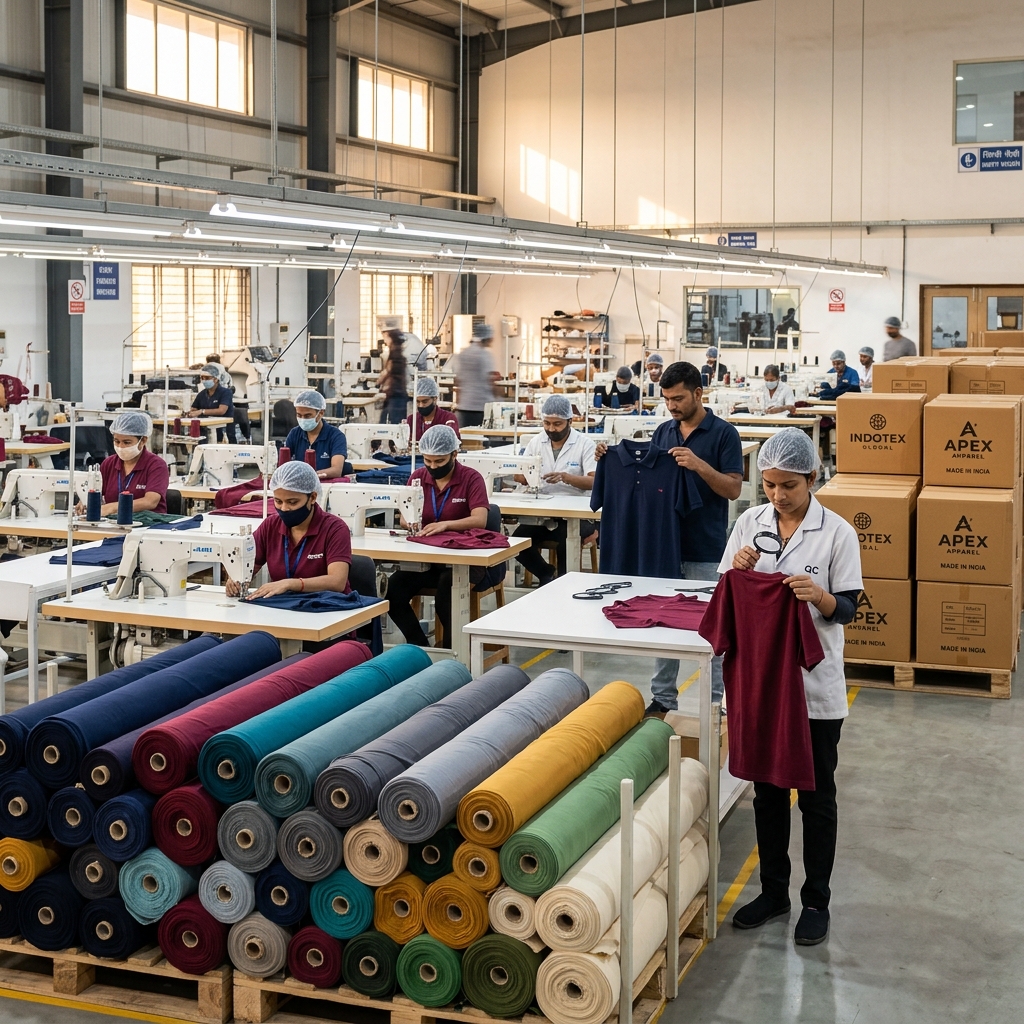
Best for: Agricultural exports (spices, superfoods, cocopeat, quinoa), textiles and private label apparel, nutraceuticals and dietary supplements, specialty chemicals, and multi-category sourcing from a single coordination point.
Head-to-Head Comparison Table
| Factor | China | Vietnam | India |
|---|---|---|---|
| Labour cost | High (rising) | Low-medium | Low-medium |
| Manufacturing scale | Massive | Growing | Large, fragmented |
| Category depth | Broadest | Narrow | Wide |
| Automation level | Advanced | Basic-medium | Medium, improving |
| Logistics infrastructure | Excellent | Improving | Good, improving |
| Tariff risk (US) | High | Low | Low-medium |
| Tariff risk (EU) | Medium (CBAM) | Low (EVFTA) | Medium |
| IP protection | Moderate risk | Moderate risk | Lower risk |
| English communication | Limited | Limited | Strong |
| Regulatory compliance (food) | Good | Developing | Good (FSSAI) |
| ESG / sustainability | Concerns | Developing | Improving |
| Geopolitical risk | High | Low | Low |
Cost Comparison: It Is Not Just About Unit Price
Many importers compare unit prices across countries and conclude their analysis there. This is a mistake. The true cost of sourcing includes:
- Unit cost: Product price from the factory
- Shipping cost: Varies significantly by origin port and destination
- Tariff/duty cost: Affected by trade agreements and tariff schedules
- Quality failure cost: Rejection rates, rework, returns
- Compliance cost: Certifications, testing, audits
- Management cost: Communication overhead, time zone gaps, travel
- Risk cost: Supply chain disruption probability and impact
When you factor in these elements, the cost picture changes dramatically. An Indian supplier quoting 5% higher than a Chinese supplier may actually deliver lower total landed cost once tariffs, quality, and risk management are factored in.
Building a Hybrid Sourcing Strategy
The smartest importers in 2026 are not choosing one country. They are building hybrid strategies that leverage the strengths of each market:
Category-Based Allocation
- Electronics and precision components: China or Vietnam
- Textiles and garments: India or Vietnam
- Agricultural and food products: India
- Pharmaceuticals and nutraceuticals: India
- Specialty chemicals: India or China
- Consumer goods (mass market): China
Risk-Based Diversification
For any product category where you currently depend on a single country, develop a qualified second source. The goal is not to move 100% of volume, but to have a tested, verified alternative ready to scale if disruptions occur.
Geographic Proximity Strategy
- Middle East and Africa importers: India offers shorter transit times and stronger trade relationships
- US importers: Vietnam and India both offer tariff advantages over China for many categories
- EU importers: India and Vietnam both benefit from preferential trade terms for specific categories
How to Make the Decision
Here is a practical framework:
- List your product categories and the volume for each
- Map each category to the country with the strongest manufacturing capability
- Calculate total landed cost for each country option (not just unit price)
- Assess risk concentration and identify where you need a second source
- Evaluate supplier quality through verification, samples, and factory audits
- Factor in compliance requirements for your destination market
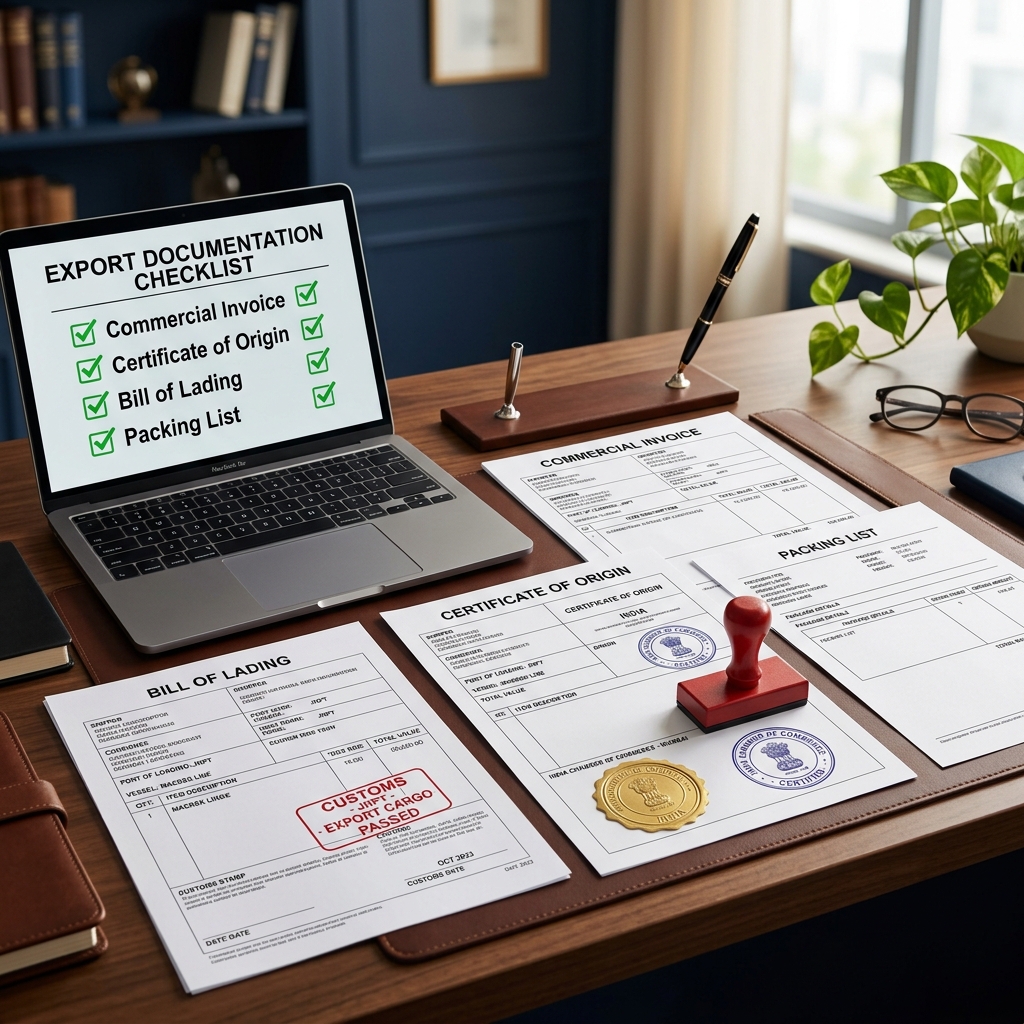
If India is part of your strategy, and for most diversified importers it should be, the challenge is execution. Finding verified suppliers, managing quality, handling documentation, and coordinating logistics across a new sourcing market takes resources.
How Taraka International Fits Into Your Strategy
Taraka International helps importers execute the India portion of their sourcing strategy. We specialize in:
- Product-wise sourcing country guidance based on real manufacturing data
- Hybrid sourcing strategy support for buyers managing multiple source countries
- India-focused category strength across agriculture, textiles, nutraceuticals, and specialty products
- Full export execution from supplier verification to shipment delivery
Whether India is your primary source or your diversification play, we handle the complexity so you can focus on your market.
Start a sourcing conversation or contact our team to discuss your requirements.
Related reading: Why Importers Are Shifting from China to India | How to Source Products from India Safely | Top Mistakes Global Buyers Make While Importing from India